

The Hidden Threat: How Poor Semen Smears Compromise Bull Fertility
In the world of Artificial Insemination (AI), the quality of bull semen is paramount. Producers and veterinarians rely on the Breeding Soundness Examination (BSE), which includes a critical assessment of sperm motility (movement) and morphology (shape). However, a seemingly minor issue—poorly prepared semen smear slides—can have major, costly consequences, leading to the sale and use of subfertile semen.
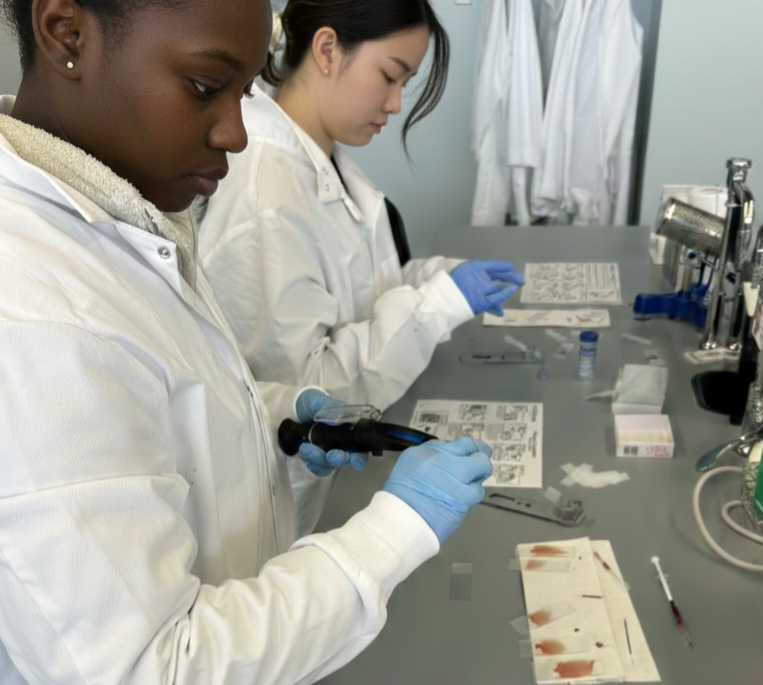
White Paper: A Comparative Analysis of Peripheral Blood Smear Efficiency and Quality Prepared Using the Traditional Manual Method vs an Assistive Preparation Device
A peripheral blood smear (PBS) slide is a foundational diagnostic tool for evaluating hematologic or infectious disorders such as leukemia and malaria. However, the traditional manual blood smear preparation technique requires substantial technical training and skill maintenance to avoid skill decay. Improperly prepared PBS results in a suboptimal specimen leading to the need for repeated attempts, operational inefficiencies, diagnostic delays, and potentially diagnostic limitations or missed diagnoses due to inadequate clinical information.

The Hidden Cost: How Poor Blood Smears Affect Patient Care and the Lab's Bottom Line
The peripheral blood smear remains a foundational tool in hematology, offering a microscopic window into a patient's cellular health. It's an essential test for diagnosing everything from anemia and infection to leukemia and malaria. Yet, a surprisingly high number of blood smears are prepared improperly, creating a ripple effect of incorrect diagnoses, delayed patient care, and significant financial burdens on healthcare systems.

The Case for Fresh Blood: Why Field-Prepared Smears Beat the Lab Wait
For many conditions, particularly those diagnosed by examining the morphology (shape and structure) of blood cells, a peripheral blood smear (PBS) is a vital diagnostic tool. Yet, the journey a blood sample takes from a patient to a central laboratory can compromise the integrity of this critical test. When it comes to blood smears, fresh is always best, and field preparation often leads to a more accurate, reliable diagnosis than smears made from transported blood.

The Blood Smear Burden: When Quality Takes a Toll on Vet Techs
The manual blood smear is a cornerstone of veterinary diagnostics. Despite the advent of sophisticated automated hematology analyzers, microscopic evaluation of a properly prepared smear remains "a vital part of a complete blood count (CBC)" for confirming cell counts, assessing cell morphology, and identifying infectious agents.